The Negro Project: Ep. 6: Scarcity and Strength: Life in Black Southern Communities of the 1930s
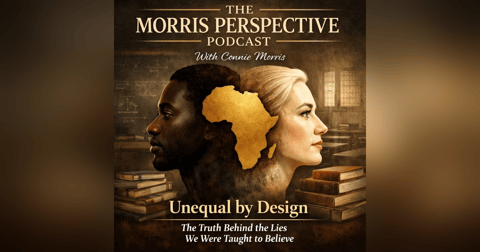


In this episode, Connie Morris examines the social conditions in Black communities in the early 20th-century rural South—poverty, sharecropping, segregated and limited education, and unequal access to healthcare—and explains how these realities helped shape debates like the Negro Project.
She reflects on Scripture's call to justice, asks how historical inequalities continue to influence communities today, and previews the next episode on population policies and public health.
Thanks for tuning in to The Morris Perspective Podcast—where we challenge assumptions, expose bias, and explore truth through a justice-centered lens.
If today’s episode resonated with you, be sure to subscribe, share, and leave a review.
Want to go deeper? Check out my books:
Rethinking Implicit Bias Training – a practical guide for real-world transformation
The Propaganda of Racism – uncovering the historical roots of systemic injustice
Both are available wherever books are sold, including Amazon, Barnes & Noble, and other major retailers.
Visit www.morrisbiasinitiativellc.com to grab your exclusive podcast listener discount code, valid for direct purchases from the publisher.
Questions or thoughts? Email us at themorrisperspectivepodcast@gmail.com.
Until next time—stay aware, stay informed, and stay committed to justice.